
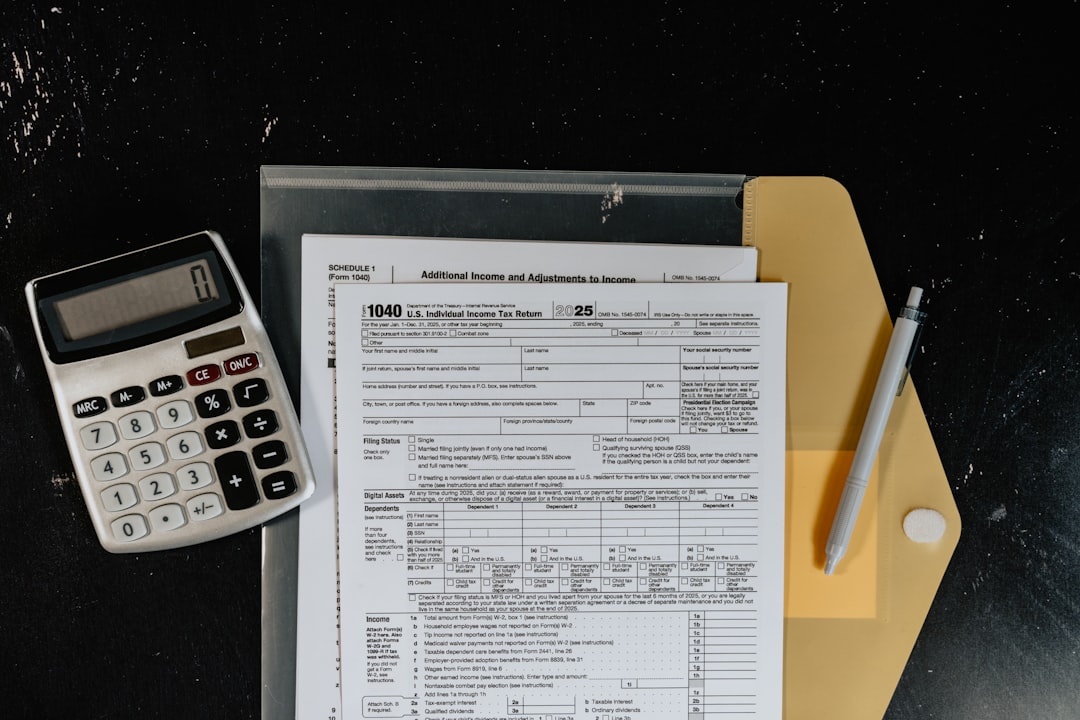
LLC Tax Deductions: What You Can Write Off
Introduction
Limited Liability Companies (LLCs) enjoy significant flexibility when it comes to tax deductions, potentially saving thousands of dollars annually through legitimate business expense write-offs. Understanding which expenses qualify as LLC tax deductions can dramatically impact your business’s bottom line and overall financial health.
This comprehensive guide covers everything LLC owners need to know about maximizing their tax deductions while staying compliant with IRS regulations. Whether you’re a single-member LLC or part of a multi-member entity, proper deduction strategies can help reduce your taxable income and keep more money in your business.
Tax deductions matter because they directly reduce your taxable income, which means lower tax liability and improved cash flow. For many LLC owners, proper deduction planning represents one of the most effective ways to optimize their business finances and reinvest savings into growth opportunities.
Tax Basics
How LLC Tax Deductions Work
LLCs operate as “pass-through” entities for tax purposes, meaning business income and deductions flow through to the owners’ personal tax returns. This structure allows LLC owners to claim business deductions against their total income, potentially reducing both income taxes and self-employment taxes.
The IRS requires that deductible expenses be “ordinary and necessary” for your business. An ordinary expense is common and accepted in your industry, while a necessary expense is helpful and appropriate for your business operations. Expenses must also be directly related to your business activities and reasonable in amount.
Who Is Affected
All LLC owners can benefit from understanding tax deductions, regardless of their business structure:
- Single-member LLCs: Report income and deductions on Schedule C of Form 1040
- Multi-member LLCs: File Form 1065 and receive Schedule K-1 showing their share of income and deductions
- LLCs electing corporate taxation: Follow different rules but still benefit from many business deductions
Key Terminology
- Above-the-line deductions: Reduce adjusted gross income and are generally more valuable
- Business use percentage: The portion of mixed-use expenses attributable to business
- Section 179: Allows immediate expensing of certain business equipment purchases
- Bonus depreciation: Additional first-year depreciation for qualifying property
Requirements and Obligations
What You Must Do
To claim LLC tax deductions legitimately, you must maintain detailed records proving each expense’s business purpose. The IRS requires documentation showing the amount, date, business purpose, and business relationship for each deduction claimed.
Expenses must be incurred during the tax year you’re claiming them, with limited exceptions for certain prepaid expenses. You cannot deduct personal expenses, even if paid from business accounts, and mixed-use expenses must be properly allocated between business and personal portions.
Filing Requirements
Single-member LLCs report deductions on Schedule C, which includes sections for various expense categories. Multi-member LLCs file Form 1065, reporting deductions at the entity level before passing through to members.
Key forms and schedules include:
- Form 4562: For depreciation and Section 179 deductions
- Schedule C: For single-member LLC deductions
- Form 8829: For home office deductions
- Various receipts and documentation: Supporting each claimed deduction
Payment Schedules
While deductions reduce your tax liability, remember that LLC owners typically must make quarterly estimated tax payments. Significant deductions might require adjusting these payments to avoid underpayment penalties or excessive overpayments.
Strategies and Planning
Ways to Optimize Deductions
Maximize Business Equipment Purchases: Take advantage of Section 179 deductions and bonus depreciation to immediately expense qualifying equipment purchases rather than depreciating them over several years.
Strategic Timing: Consider the timing of major purchases and expenses. Accelerating deductible expenses into the current year or deferring income can optimize your tax position.
Home Office Deduction: If you use part of your home exclusively for business, you may qualify for the home office deduction using either the simplified method ($5 per square foot, up to 300 square feet) or actual expense method.
Common Strategies
Vehicle Expense Planning: Choose between the standard mileage rate or actual expense method based on your situation. Keep detailed mileage logs and consider the business use percentage of your vehicle.
Professional Development: Deduct training, conferences, books, and subscriptions that enhance your business skills or knowledge relevant to your LLC’s operations.
Technology and Software: Deduct computers, software, apps, and technology tools necessary for business operations, including cloud services and cybersecurity tools.
Timing Considerations
Year-End Planning: Review your financial position in December to identify opportunities for additional deductible expenses or strategies to optimize your tax situation.
Multi-Year Planning: Consider how current deduction decisions affect future years, especially with depreciation elections and equipment purchases.
Common Mistakes
Errors to Avoid
Mixing Personal and Business Expenses: Never deduct personal expenses as business costs. Maintain separate accounts and clear documentation for all business transactions.
Inadequate Documentation: Failing to keep receipts, invoices, and records supporting your deductions. The IRS can disallow deductions without proper documentation, even if the expenses were legitimate.
Misunderstanding Business Use Requirements: Claiming 100% business use for items that have personal use, such as vehicles or electronics used for both business and personal purposes.
Misconceptions
Many LLC owners believe they can deduct anything purchased with business funds, but personal expenses remain non-deductible regardless of the payment source. Similarly, forming an LLC doesn’t automatically make previous personal expenses deductible going forward.
Another common misconception involves the home office deduction. Simply doing some work at home doesn’t qualify you for this deduction—the space must be used regularly and exclusively for business purposes.
Red Flags
Excessive Meal and Entertainment Expenses: While business meals are generally 50% deductible, excessive claims relative to your business income may trigger scrutiny.
Round Numbers: Consistently round expense amounts suggest poor record-keeping and may increase audit risk.
High Vehicle Expenses: Claiming 100% business use of vehicles or unusually high mileage relative to your business type can attract attention.
Record Keeping
What to Track
Maintain detailed records for every business expense, including:
- Date and amount of each expense
- Business purpose and necessity
- Receipts and invoices
- Mileage logs for vehicle expenses
- Time and usage logs for mixed-use items
Digital Tools: Consider using accounting software like QuickBooks, FreshBooks, or Wave to automatically categorize and track expenses. Mobile apps can capture receipts and mileage in real-time.
Documentation Needed
Receipts and Invoices: Keep original receipts for all business expenses, including credit card receipts that show the amount and vendor.
Bank Statements: Maintain business bank and credit card statements showing business transactions.
Contracts and Agreements: Keep copies of service agreements, lease agreements, and contracts supporting your business expenses.
Organization Tips
Monthly Reviews: Review and categorize expenses monthly rather than waiting until tax time. This prevents forgotten deductions and identifies potential issues early.
Cloud Storage: Store digital copies of important documents in secure cloud storage for backup and easy access.
Professional Assistance: Consider hiring a bookkeeper if your business has numerous transactions or complex expense categories.
Getting Professional Help
When to Hire Help
Consider professional tax assistance if your LLC has:
- Multiple revenue streams or complex business operations
- Significant equipment purchases requiring depreciation decisions
- International business activities or multi-state operations
- Audit concerns or previous IRS issues
Cost-Benefit Analysis: Professional fees are often deductible business expenses, and good tax advice typically pays for itself through optimized deduction strategies and compliance assurance.
Types of Professionals
CPAs (Certified Public Accountants): Provide comprehensive tax planning and preparation services with the highest level of professional credentials.
Enrolled Agents: IRS-licensed tax practitioners who specialize in tax matters and can represent you before the IRS.
Tax Attorneys: Necessary for complex legal issues, audits, or situations involving potential tax penalties.
What to Look for
Choose professionals with LLC experience who understand pass-through entity taxation. Look for proactive advisors who suggest tax-saving strategies rather than simply preparing returns.
Verify credentials and ask about their experience with businesses similar to yours. Good professionals should ask detailed questions about your business and explain strategies in terms you understand.
FAQ
Q: Can I deduct startup costs before my LLC is officially formed?
A: Yes, you can elect to deduct up to $5,000 in startup costs (reduced by costs exceeding $50,000) in your first year of business, with remaining costs amortized over 15 years. Keep detailed records of pre-formation expenses.
Q: Is the home office deduction worth the potential audit risk?
A: If you legitimately qualify for the home office deduction, the audit risk is minimal with proper documentation. The simplified method reduces complexity and audit concerns while still providing valuable deductions.
Q: Can I deduct health insurance premiums as an LLC owner?
A: LLC owners who own more than 2% of the company can generally deduct health insurance premiums as an above-the-line deduction on Form 1040, not as a business expense on Schedule C.
Q: What’s the difference between deducting and depreciating business equipment?
A: Section 179 allows you to deduct the full cost of qualifying equipment in the year purchased, while depreciation spreads the deduction over several years. Section 179 is often more beneficial for cash flow and tax planning.
Q: Can I deduct business meals and entertainment expenses?
A: Business meals are generally 50% deductible when directly related to business discussions. Entertainment expenses are generally not deductible, though there are exceptions for employee recreation and certain business facilities.
Conclusion
Understanding LLC tax deductions is crucial for maximizing your business’s financial efficiency and minimizing tax liability. From equipment purchases and home office expenses to vehicle costs and professional development, legitimate business deductions can significantly impact your bottom line.
Success with LLC tax deductions requires careful planning, meticulous record-keeping, and ongoing attention to IRS requirements. While the rules may seem complex, the potential savings make it worthwhile to invest time in understanding and implementing proper deduction strategies.
Remember that tax laws change regularly, and this information is for educational purposes only. Always consult with a qualified tax professional for advice specific to your situation.
Ready to start your business journey? LegalZone.com has helped thousands of entrepreneurs successfully form LLCs, corporations, and nonprofits. Our affordable pricing, fast filing process, and expert support make business formation simple and stress-free. Whether you need to form an LLC, incorporate your business, or protect your trademark, our experienced team provides the guidance and support you need to launch your business with confidence. Start your formation today and take the first step toward building your successful business.
—
Disclaimer: This information is for educational purposes only and should not be considered tax advice. Tax laws are complex and change frequently. Always consult with a qualified tax professional or CPA for advice specific to your situation and current tax regulations.
