
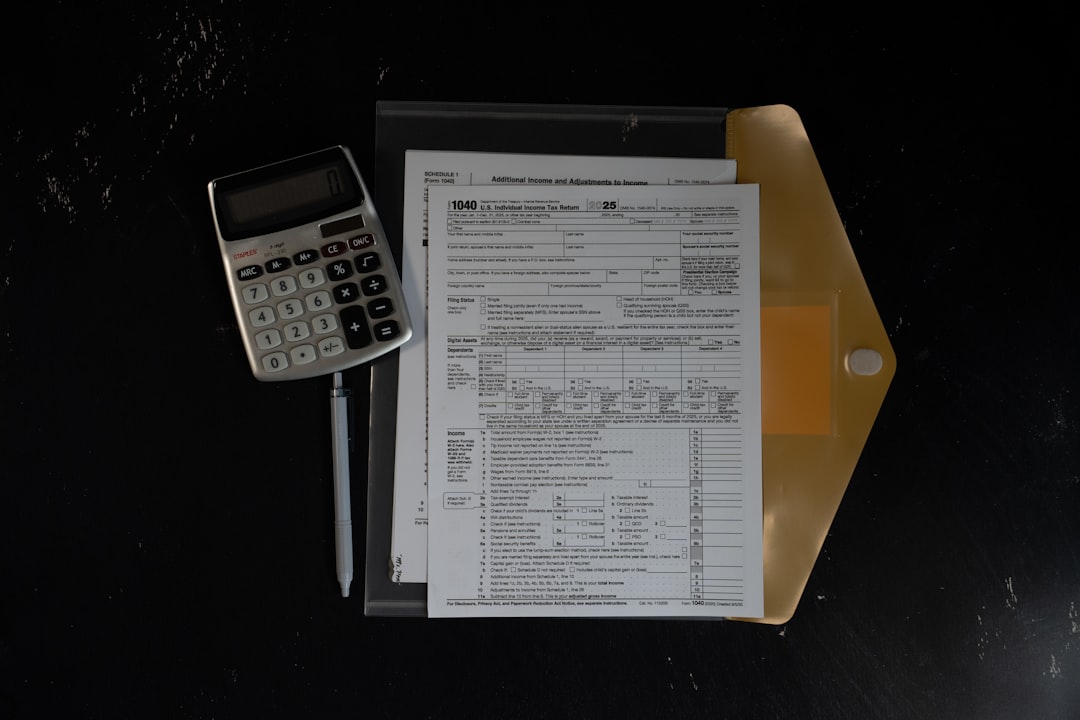
LLC Taxes: How LLCs Are Taxed
When you’re running a Limited Liability Company (LLC), understanding your tax obligations is crucial for maintaining compliance and maximizing your business’s financial efficiency. Unlike corporations, LLCs offer unique tax flexibility that can benefit your bottom line – but only if you understand how to navigate the system properly.
This comprehensive guide covers everything you need to know about LLC taxation, from basic concepts to advanced strategies. Whether you’re considering forming an LLC or already operating one, this information will help you make informed decisions about your business’s tax structure.
Understanding LLC taxes matters because your tax election affects how much you’ll pay in taxes, what forms you’ll file, and how you’ll receive distributions from your business. Making the right choice can save you thousands of dollars annually while ensuring you remain compliant with IRS requirements.
Tax Basics
How LLC Taxation Works
LLCs are considered “pass-through” entities by default, meaning the business itself doesn’t pay federal income taxes. Instead, profits and losses “pass through” to the owners’ personal tax returns. This fundamental characteristic distinguishes LLCs from C corporations, which face double taxation.
The IRS doesn’t recognize LLCs as a separate tax entity. Instead, LLCs must choose how they want to be taxed from existing tax classifications. This flexibility is one of the LLC’s greatest advantages, allowing you to optimize your tax situation based on your specific circumstances.
Who Is Affected
LLC taxation affects all LLC owners (called “members”), regardless of their level of involvement in day-to-day operations. The number of members in your LLC determines your default tax classification:
- Single-member LLCs are taxed as sole proprietorships by default
- Multi-member LLCs are taxed as partnerships by default
However, any LLC can elect to be taxed as a C corporation or S corporation by filing the appropriate forms with the IRS.
Key Terminology
Pass-through taxation: Business income, deductions, and credits flow through to owners’ personal tax returns rather than being taxed at the entity level.
Tax election: The process of choosing how your LLC will be taxed for federal income tax purposes.
Self-employment tax: Social Security and Medicare taxes that LLC members typically must pay on their share of business income.
Guaranteed payments: Payments to LLC members for services or capital contributions, similar to salary payments.
Distributive share: Each member’s portion of LLC income, losses, deductions, and credits.
Requirements and Obligations
Filing Requirements by Tax Election
Sole Proprietorship (Single-Member LLC)
- File Schedule C with your personal Form 1040
- Report all business income and expenses
- Pay self-employment tax on net earnings
Partnership (Multi-Member LLC)
- File Form 1065 (Partnership Return) annually
- Provide Schedule K-1 to each member showing their share of income, deductions, and credits
- Members report their distributive share on personal returns
C Corporation Election
- File Form 1120 (Corporate Income Tax Return)
- Pay corporate income tax on profits
- Members pay personal income tax on distributions (double taxation)
S Corporation Election
- File Form 1120S
- Provide Schedule K-1 to members
- Members who work in the business receive W-2 wages
- Remaining profits pass through to personal returns
Payment Schedules and Deadlines
Most LLC members must make quarterly estimated tax payments by:
- January 15 (for Q4 of previous year)
- April 15 (for Q1)
- June 15 (for Q2)
- September 15 (for Q3)
Annual returns are due:
- March 15: Partnership and S corporation returns
- April 15: Individual returns with Schedule C
- Extension deadlines: September 15 (partnership/S corp) and October 15 (individual)
State Tax Considerations
Many states impose additional requirements on LLCs, including:
- Annual franchise taxes or fees
- State income tax filings
- Gross receipts taxes
- Publication requirements
Research your state’s specific LLC tax requirements, as they vary significantly across jurisdictions.
Strategies and Planning
Choosing the Right Tax Election
Sole Proprietorship/Partnership (Default)
Best for: Small businesses with modest profits, those wanting simple tax filing
Benefits:
- Simplified tax reporting
- All business expenses are deductible
- Losses offset other income
Drawbacks:
- All profits subject to self-employment tax
- No salary/distribution split
S Corporation Election
Best for: Profitable LLCs where members actively work in the business
Benefits:
- Potential self-employment tax savings
- Salary/distribution split optimization
- Retirement plan advantages
Drawbacks:
- Payroll tax complexity
- Reasonable salary requirements
- Restrictions on ownership
C Corporation Election
Best for: High-growth businesses planning to reinvest profits
Benefits:
- Lower corporate tax rates on retained earnings
- Enhanced fringe benefit deductions
- No self-employment tax on distributions
Drawbacks:
- Double taxation on distributions
- More complex compliance requirements
Tax Optimization Strategies
Income Timing
Accelerate deductions into high-income years and defer income to lower-income periods when possible. This strategy works particularly well for cash-basis LLCs.
Retirement Planning
LLC members can contribute to SEP-IRAs, Solo 401(k)s, or other retirement plans, potentially reducing current-year tax liability while building retirement savings.
Equipment Purchases
Take advantage of Section 179 deductions and bonus depreciation to immediately expense business equipment purchases rather than depreciating them over several years.
Family Member Involvement
Consider bringing family members into the LLC as employees or members to shift income to lower tax brackets, but ensure arrangements are legitimate business relationships.
Common Mistakes
Tax Election Errors
Missing Election Deadlines
S corporation elections must be filed within 75 days of LLC formation or the beginning of the tax year when you want the election to take effect. Missing this deadline means waiting until the following year.
Choosing Based on Current Year Only
Don’t select a tax election based solely on the current year’s projected income. Consider your business’s growth trajectory and long-term tax implications.
Self-Employment Tax Misconceptions
Assuming All LLC Income Is Subject to SE Tax
Passive income, such as rental income or investment gains, may not be subject to self-employment tax even when earned through an LLC.
Misunderstanding S Corp Benefits
While S corporation election can reduce self-employment taxes, the IRS requires reasonable salary payments to working members, which are subject to payroll taxes.
Record Keeping Failures
Mixing Personal and Business Expenses
Maintain strict separation between personal and business finances. Commingled funds can jeopardize your LLC’s tax benefits and legal protection.
Inadequate Documentation
Keep detailed records supporting all business deductions. The IRS may disallow expenses without proper documentation during an audit.
Distribution vs. Salary Confusion
For LLCs electing S corporation status, failing to pay reasonable salaries to working members while taking large distributions is a red flag for IRS scrutiny.
Record Keeping
Essential Financial Records
Income Documentation
- Bank statements showing deposits
- Customer invoices and receipts
- 1099s from clients or customers
- Cash register tapes or sales receipts
Expense Records
- Receipts for all business purchases
- Cancelled checks or credit card statements
- Travel and entertainment logs
- Vehicle mileage records
- Home office expense calculations
Tax-Specific Documentation
Member Information
- Operating agreement with profit/loss sharing provisions
- Capital contribution records
- Distribution records with dates and amounts
- Changes in membership interests
Employment Records
- Payroll records for LLC employees
- Independent contractor agreements and 1099s
- Workers’ compensation and unemployment insurance records
Organization Tips
Digital Systems
Use accounting software like QuickBooks or Xero to track income and expenses automatically. Many programs integrate with bank accounts and credit cards for streamlined record keeping.
Monthly Reviews
Reconcile accounts monthly to catch errors early and ensure accurate financial reporting throughout the year.
Backup Storage
Maintain both physical and digital copies of important documents. Cloud storage provides accessible backup for critical records.
Professional Support
Consider hiring a bookkeeper for monthly record keeping and a CPA for tax planning and preparation, especially as your LLC grows.
Getting Professional Help
When to Hire Professionals
Complex Business Structures
If your LLC has multiple members with varying ownership percentages or complex profit-sharing arrangements, professional guidance ensures proper tax reporting.
Significant Income or Growth
When your LLC generates substantial income or experiences rapid growth, the potential tax savings from professional planning often exceed the cost of professional fees.
Tax Election Decisions
Choosing the optimal tax election requires analyzing current and projected income, self-employment tax implications, and long-term business goals.
Audit or IRS Issues
If you receive IRS correspondence or face an audit, professional representation is crucial for protecting your interests.
Types of Professionals
Certified Public Accountants (CPAs)
CPAs can represent you before the IRS, provide tax planning advice, and prepare complex returns. They’re ideal for comprehensive tax and business planning.
Enrolled Agents (EAs)
EAs specialize in taxation and can represent taxpayers before the IRS. They often cost less than CPAs while providing excellent tax expertise.
Tax Attorneys
Consider tax attorneys for complex legal issues, significant IRS disputes, or when facing potential tax fraud allegations.
Bookkeepers
Professional bookkeepers can maintain your financial records throughout the year, ensuring accurate information for tax preparation.
Selecting the Right Professional
Look for professionals with:
- Relevant LLC and small business experience
- Current certifications and continuing education
- Clear fee structures and communication policies
- References from similar businesses
- Proactive tax planning approach rather than just tax preparation
FAQ
Q: Can I change my LLC’s tax election after formation?
A: Yes, but there are restrictions. You can generally change elections once every five years, and specific deadlines apply. S corporation elections must be made by the 75th day of the year you want the election to take effect.
Q: Do single-member LLCs need to file separate tax returns?
A: Not typically. Single-member LLCs file Schedule C with their personal Form 1040 unless they elect corporate taxation. However, some states require separate LLC tax filings regardless of federal treatment.
Q: How much can LLC tax elections save me?
A: Savings vary significantly based on income level, business type, and individual circumstances. S corporation elections might save $2,000-$10,000 annually in self-employment taxes for profitable LLCs, but the total tax impact depends on many factors.
Q: Are LLC members considered employees?
A: Generally no, unless the LLC elects S corporation taxation. LLC members typically receive guaranteed payments or profit distributions rather than W-2 wages, except when working in S corporation-elected LLCs.
Q: What happens if I don’t make quarterly estimated tax payments?
A: You may owe penalties and interest on underpaid taxes. The IRS generally requires quarterly payments if you’ll owe more than $1,000 in taxes for the year, beyond what’s withheld from other income sources.
Conclusion
Understanding LLC taxation is essential for maximizing your business’s financial efficiency while maintaining IRS compliance. The flexibility to choose your tax election provides opportunities for significant savings, but requires careful analysis of your specific situation.
From default pass-through taxation to corporate elections, each option offers distinct advantages and drawbacks. Success depends on aligning your tax strategy with your business goals, income levels, and growth plans.
Remember that tax laws change frequently, and what works best for your LLC today may not be optimal in the future. Regular reviews with tax professionals ensure your strategy remains current and effective.
This article provides general tax information and should not be considered personalized tax advice. Tax laws are complex and change frequently. Always consult with a qualified tax professional about your specific situation before making tax elections or implementing tax strategies.
—
Ready to start your business journey? LegalZone.com has helped thousands of entrepreneurs successfully form LLCs, corporations, and nonprofits. Our experienced team provides affordable pricing, fast filing services, and expert support throughout the entire formation process. Whether you’re forming your first LLC or expanding your business empire, we’re here to help you navigate the legal requirements while you focus on growing your business. Start your LLC formation today and take the first step toward achieving your entrepreneurial dreams with confidence.
